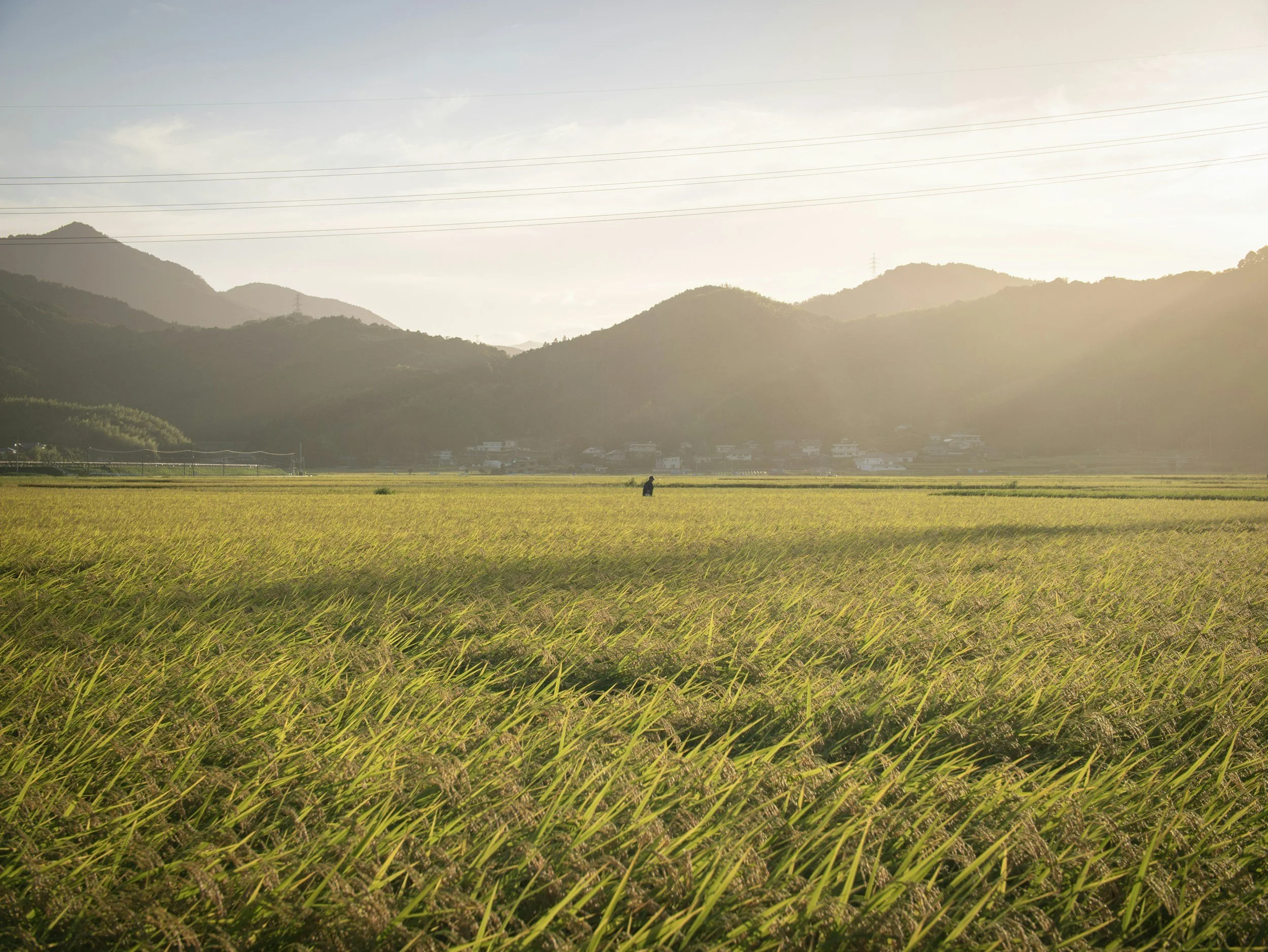
Domaine Kurodashō
Kurodashō, Hyōgo Prefecture, Japan
Brewing sake since 1647, Kamoshibito Kuheiji combines centuries of Japanese tradition with a Burgundy-inspired devotion to terroir and estate-grown rice.
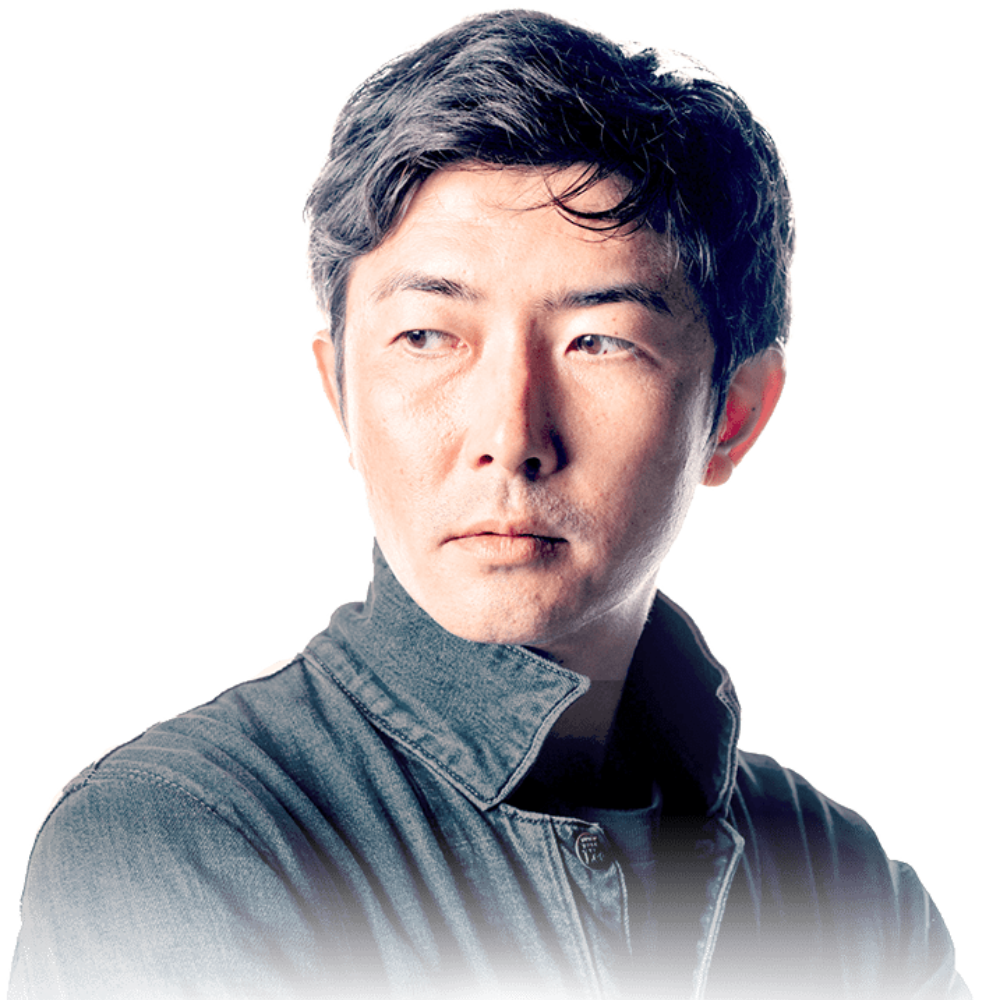
Kamoshibito Kuheiji is a pioneer of modern sake, based between the historical home of Banjo Jozo in Nagoya and the serene, mist-draped estate of Domaine Kurodasho in Hyōgo Prefecture.
Today, the domaine is led by Kuno Kuheiji, 15th-generation heir of the family, who fundamentally reshaped the estate’s direction in the late 1990s. The brand name itself carries his personal signature: Kamoshibito translates poetically to "The Fermenter" or "The Artisan Brewer," a title that reflects his hands-on, deeply personal connection to the craft. Recognizing that industrial mass production was stripping sake of its soul, Kuheiji embarked on a quest to elevate sake onto the world’s finest dining tables, becoming one of the very first producers embraced by three-star Michelin restaurants in Paris.
At the core of Kuheiji’s philosophy is a belief shared with the great wine estates of Europe: that exceptional sake begins in the dirt. Rather than purchasing mass, pre-milled grain, the domaine established Domaine Kurodasho in the heart of Hyōgo, the legendary cradle of Yamada Nishiki rice. Here, in a landscape where mountain mists meet volcanic, mineral-rich soils, Kuheiji’s own kurabitos (brewery craftsmen) work the fields alongside local farming families, managing 20 hectares of estate paddies. Every single plot, from Monryu to Fukuji, is farmed with meticulous care, capturing the distinct microclimate, soil composition, and vintage variation of each harvest.
In the kura (brewery), the approach is defined by restraint, agricultural truth, and precision. Embracing the natural fluctuations of each season rather than forcing uniform industrial consistency, fermentation is guided to bring out the natural purity of the grain. The sakes are crafted with a deliberate focus on high, vibrant natural acidity, a feature that acts as a structural bridge for complex food pairings, and are intentionally bottled to be served chilled in fine wine glasses to reveal their evolving aromatics.
The style of Kuheiji is defined by clarity, texture, and crystalline tension. There is an abundance of juicy orchard fruit, white peach, melon, and citrus, balanced by subtle herbal undertones, fine spice, and a deep, mineral-driven umami. The sakes are layered and composed, offering both immediate, refreshing pleasure and the structural depth required for high gastronomy.
What sets Kamoshibito Kuheiji apart is its visionary bridging of East and West. By applying the rigorous discipline of French terroir farming to ancient Japanese brewing traditions, Kuheiji has created a domaine where every bottle reflects a precise place, a single harvest, and a profound respect for the earth.
Sakes
-
Eau du Désir, Junmai Daiginjo.
Yamada Nishiki Rice Polish 50%Sauvage, Junmai Daiginjo.
Omachi Rice Polish 50%.Kyoden, Junmai Daiginjo.
Omachi Rice Polish 40%.Betsu-Atsurae, Junmai Daiginjo.
Yamada Nishiki Rice Polish 35%.Hi no Kishi, Junmai Daiginjo.
Yamada Nishiki Rice Polish 30%.
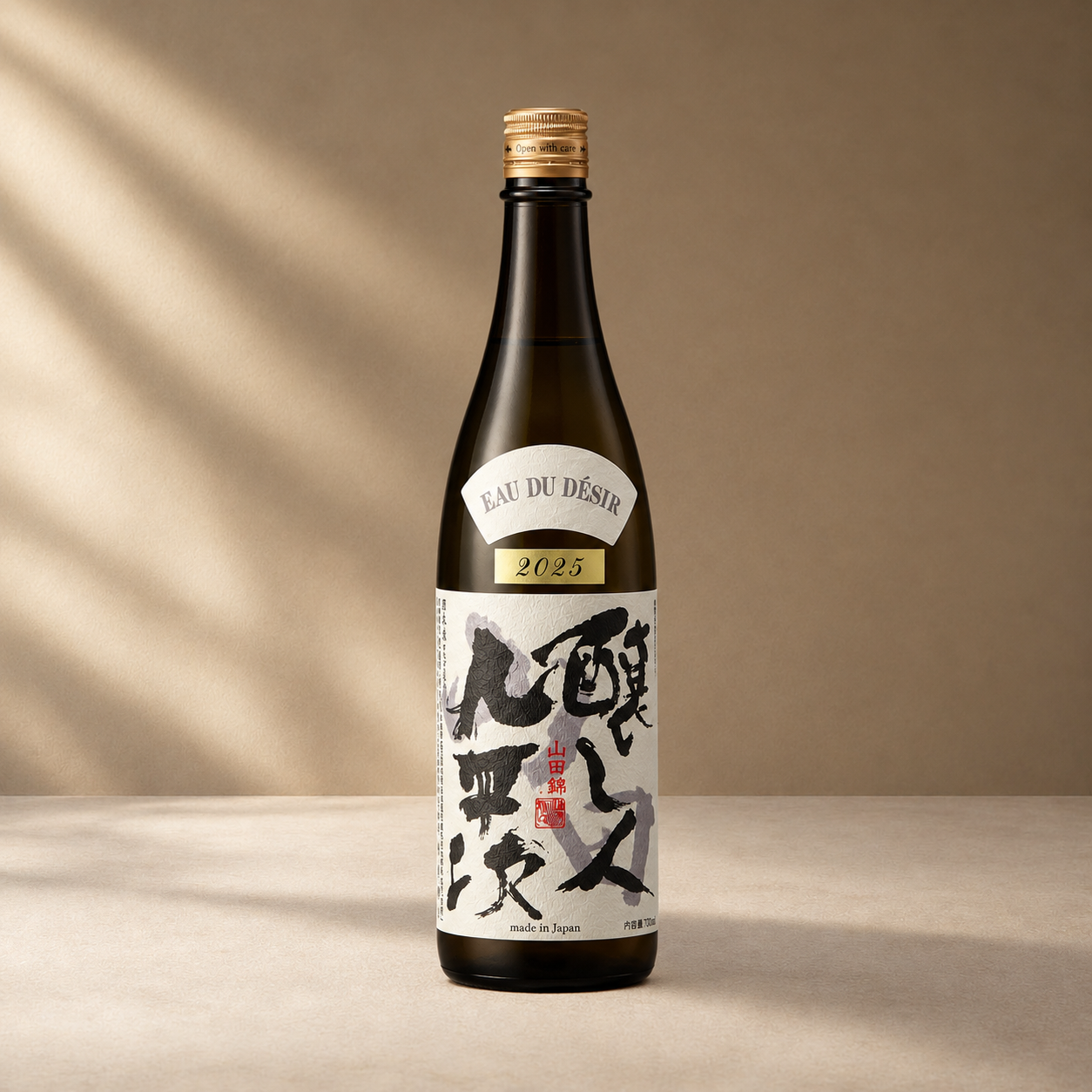
Vibrant, elegant, and harmonious, the signature style of the house.
Eau du Désir
Junmai Daiginjo — Yamada Nishiki 50%
The foundational cuvée that defined the modern direction of the domaine over two decades ago. Created to bring a pure and readable expression of estate-grown Yamada Nishiki to the glass, Eau du Désir, or "Water of Desire", strikes a seamless balance of Go Mi, the five essential flavors of Japanese gastronomy: sweetness, umami, acidity, astringency, and subtle bitterness.
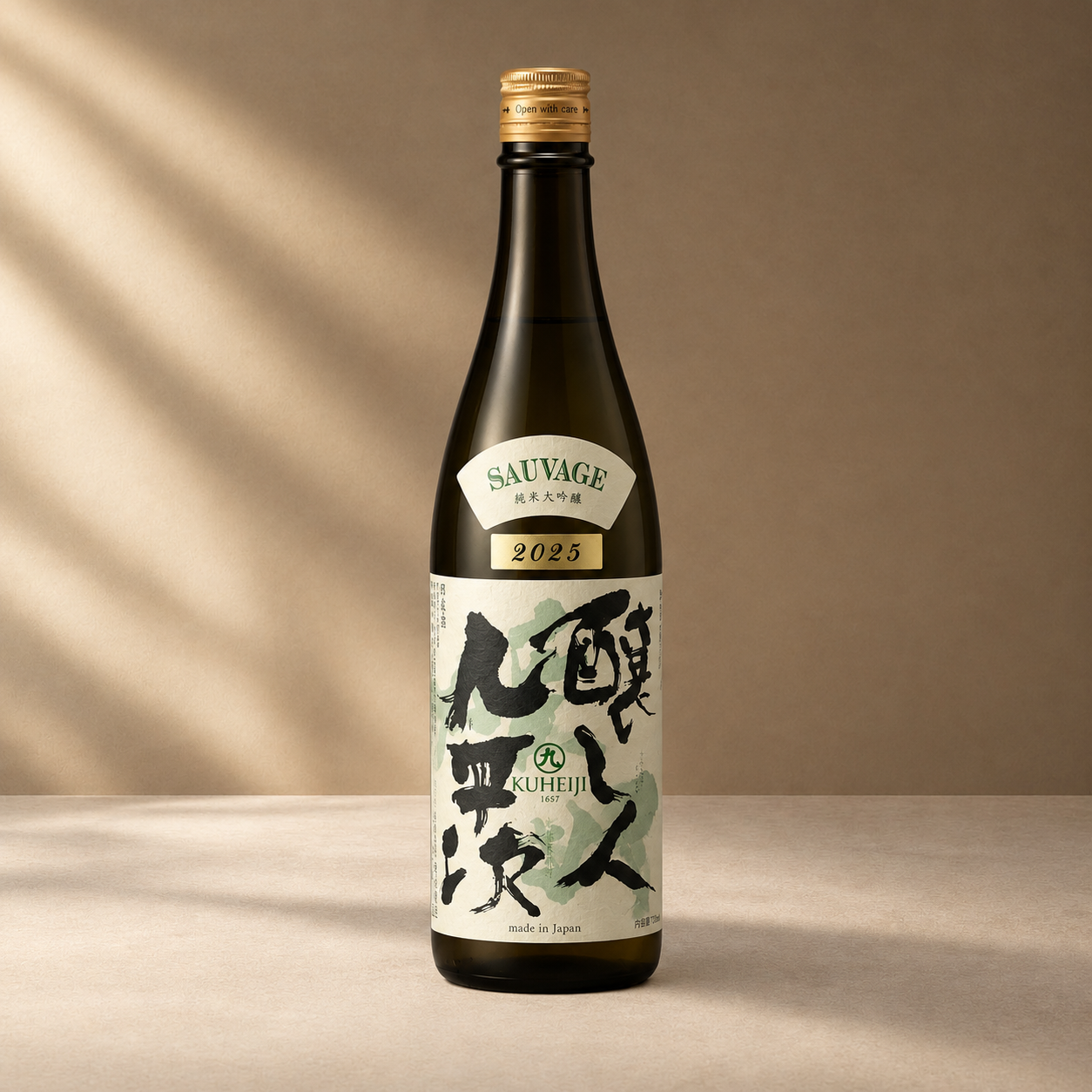
An earthy, wild profile that invades every corner of the palate.
Sauvage
Junmai Daiginjo — Akaiwa Omachi 50%
An emblematic cuvée honoring Omachi, Japan’s oldest heirloom sake rice, discovered over 100 years ago and historically named Ni Hon Kusa for its long, wild stalks that bend gracefully in the fields. Worked according to the same principles as Eau du Désir using higher-temperature fermentation to extract the full power of the grain, Sauvage reveals an ample, rich, and deeply textured profile. Departing from light and linear conventions, it surprises with its generous volume that coats every corner of the palate.
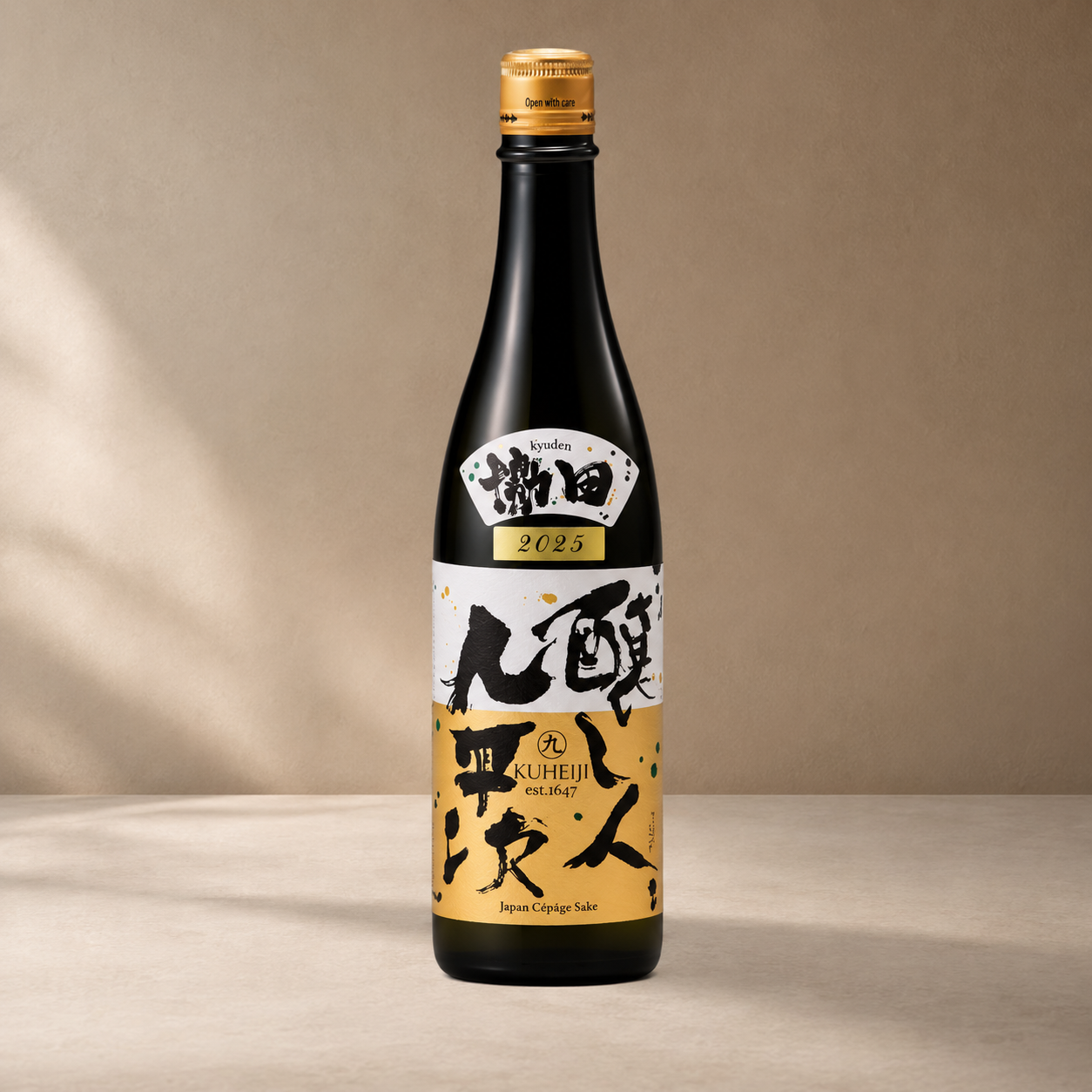
Aristocratic finesse and velvety volume, born from heirloom collaboration.
Kyoden
Junmai Daiginjo — Akaiwa Omachi 50%
Translating to "collaborative rice fields," Kyoden is born from a small-batch partnership with a dedicated master grower in Akaiwa, Okayama—the historic spiritual home of Omachi rice. While Omachi is famous for its wild, rustic soul, this cuvée reveals a softer, aristocratic elegance. Brewed at slightly elevated temperatures to coax out the natural power of the heirloom grain, it brings a rich, velvety mouthfeel filled with fresh botanicals, ripe stone fruit, and a deep, comforting umami finish.
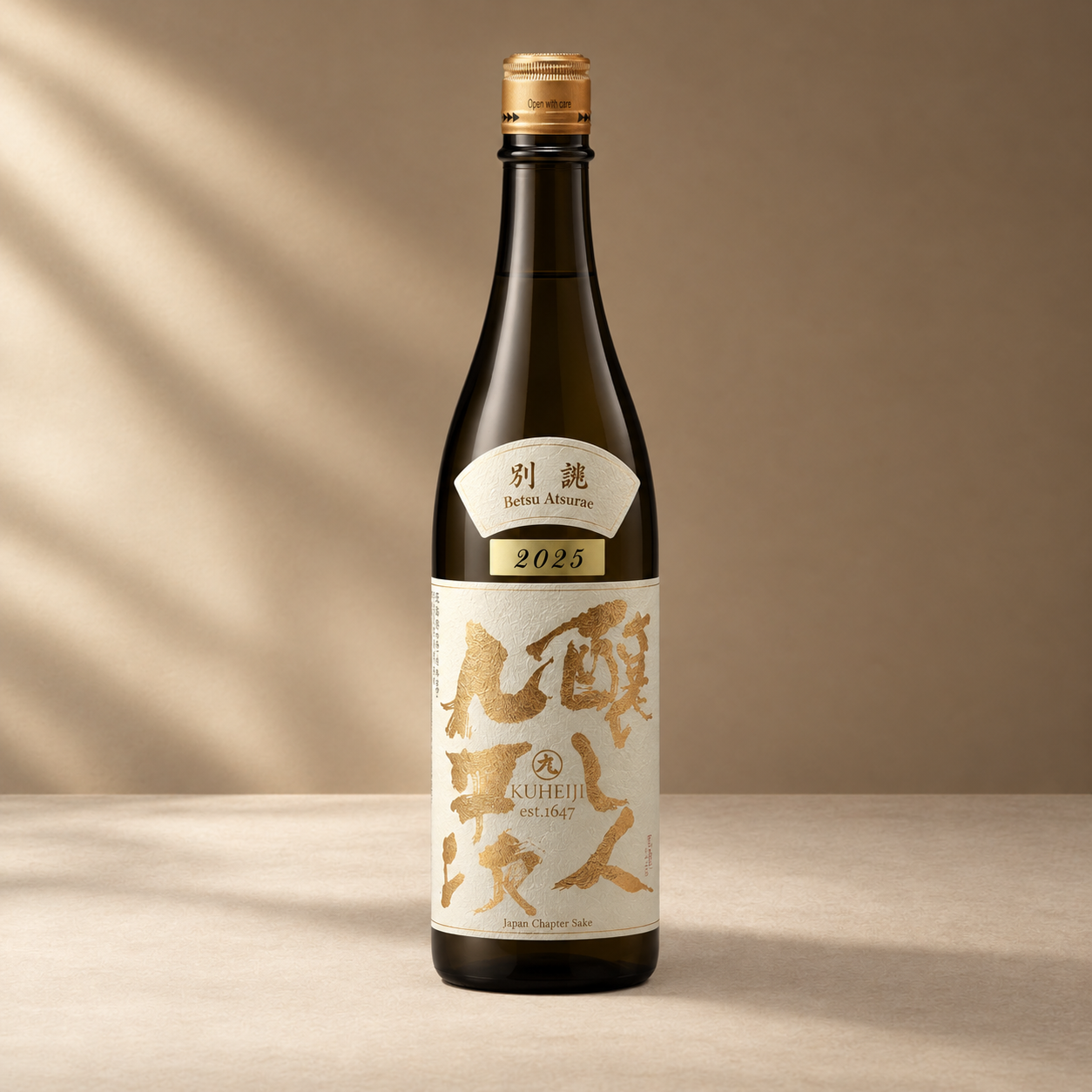
Sublime clarity and laser tension, the crown jewel of the house.
Betsu-Atsurae
Junmai Daiginjo — Yamada Nishiki 35%
Meaning "Bespoke" or "Special Reservation," Betsu-Atsurae is the crown jewel of the domaine. Polished beyond 50 percent, down to a tiny 35% core, the heavy cereal, toasted undergrowth, and mushroom notes recede to make room for incredible freshness and clarity. At this degree of refinement, tertiary aromas take center stage: spicy accents of white pepper and anise share the nose with subtle, elegant esters. With a deliberately reduced residual sugar content, it offers laser tension built specifically to compete alongside high gastronomy.
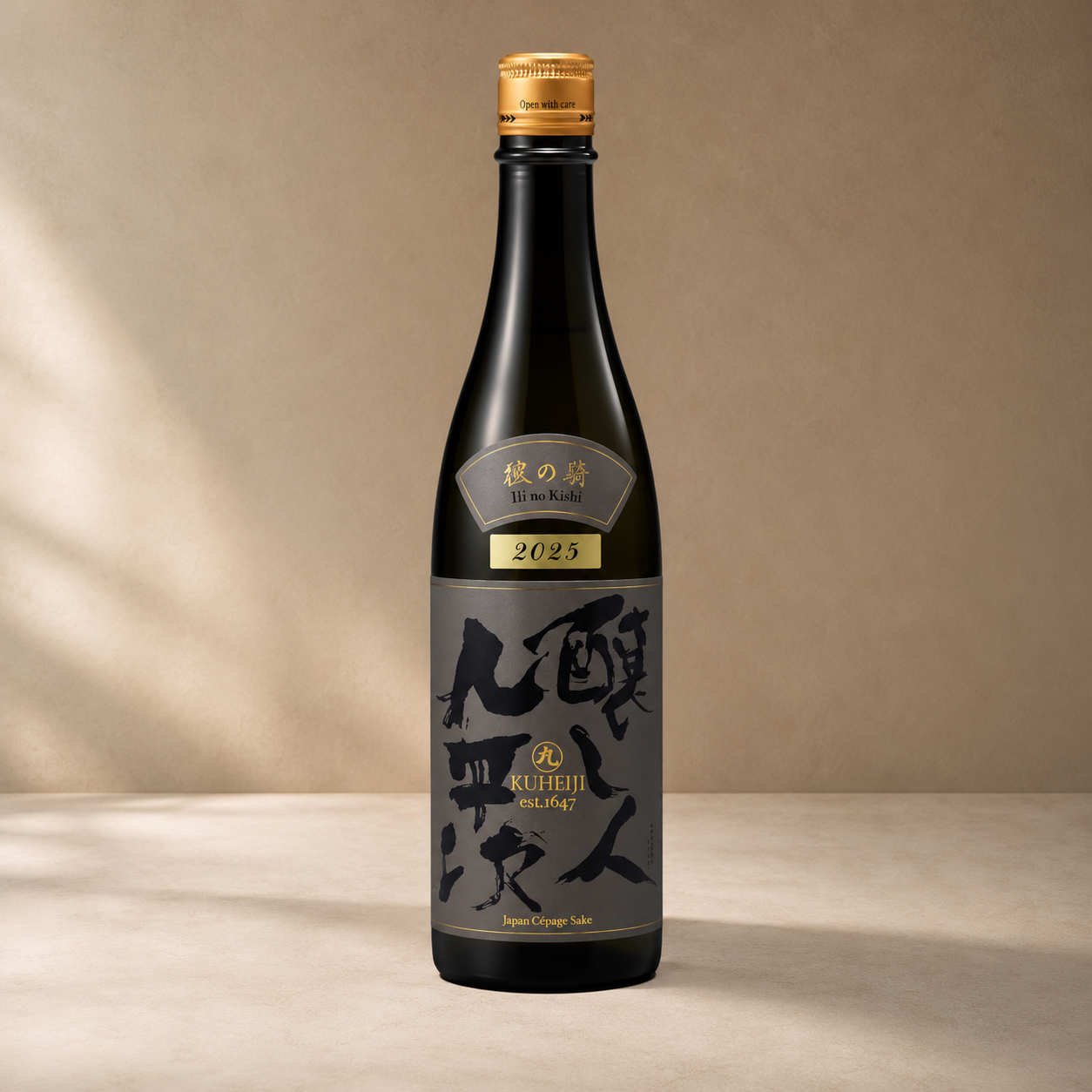
An ultra-scarce Grand Cru statement of pure terroir and crystalline depth.
Hi no Kishi
Translating to "The Other Shore," Hi no Kishi represents the ultimate single-vineyard "Grand Cru" statement of the domaine. Sourced from a tiny 0.24-acre plot in the Monryu parcel of Kurodashō, this ultra-rare cuvée yields only around 270 bottles worldwide per vintage. Low-density planting and limestone-rich clay soil produce an intensely concentrated, regal sake with layered notes of white orchard fruit, wild herbs, chiseled minerality, and weightless, crystalline persistence.
Curious about the sakes of Domaine Kurodashō?
Reach out to receive our full portfolio, pricing, and restaurant allocations.